
The allure of risk and reward
The psychology of gambling is deeply intertwined with the concepts of risk and reward. Casino games offer players the potential for significant payouts, which can be incredibly enticing. This allure is amplified by the thrill of uncertainty; the anticipation of winning activates the brain’s reward system. Players often find themselves drawn to games that offer a chance of high returns, such as online poker real money, despite the underlying odds that favor the house. Understanding this dynamic can help reveal why individuals are willing to engage in what many consider a risky endeavor.

Moreover, the dopamine release associated with wins, no matter how small, reinforces a player’s desire to continue gambling. Even when faced with losses, the hope of a future victory can lead players to make further investments in the game. This cycle of expectation and reward has a profound impact on decision-making, often leading players to overlook statistical realities in favor of their personal experiences and feelings.
The impact of cognitive biases
Cognitive biases play a significant role in how players approach casino games. One common bias is the illusion of control, where players believe they can influence the outcome of games that are fundamentally based on chance. This belief can lead to strategies that are both optimistic and unrealistic, as players develop personal methods that they convince themselves will yield better results. For instance, a player may stick to a specific slot machine, convinced it is “due” for a payout, despite no evidence to support this belief.
Another pivotal bias is the gambler’s fallacy, where individuals believe that past outcomes will affect future results. For example, a player may think that since a particular number hasn’t come up during a roulette game, it is more likely to appear in the next round. These biases distort logical thinking and can lead to impulsive decisions based solely on emotion rather than rational analysis.
The role of social influences
Social dynamics also play a crucial role in casino game decisions. The presence of other players can create an environment that heightens excitement and risk-taking. Peer pressure or the desire to fit in can lead individuals to take risks they might otherwise avoid. This social aspect is particularly noticeable in table games, where the collective atmosphere can amplify emotions and decisions among players.
Additionally, social interactions at casinos can lead to a sense of belonging among players. Sharing experiences, celebrating wins, or commiserating over losses fosters a community that can influence betting patterns. This social connection can enhance the enjoyment of the gaming experience but can also lead to increased risk-taking behaviors as players seek validation or camaraderie with others.
The effects of marketing and design
The design and marketing strategies employed by casinos are carefully crafted to exploit psychological principles. The vibrant colors, flashing lights, and sounds of winning machines are designed to engage the senses and create an exhilarating atmosphere. This sensory stimulation not only attracts players but also encourages them to stay longer and spend more. Casinos understand that by creating an immersive environment, they can enhance the likelihood of players extending their gameplay.
Moreover, promotional offers and bonuses often leverage the psychology of scarcity and urgency. Limited-time offers can compel players to act quickly, overlooking potential financial consequences in favor of immediate gratification. This manipulation of emotions through marketing tactics reinforces the connection between the player’s decisions and the casino’s bottom line.
Understanding the environment of casino gaming
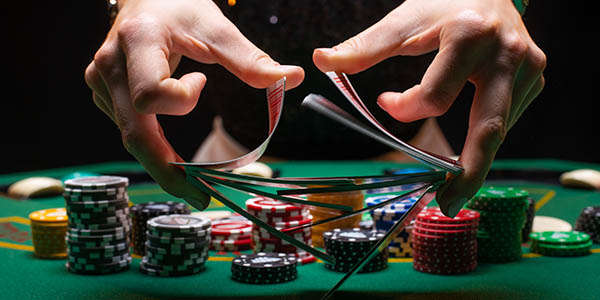
The environment in which casino gaming takes place significantly affects player behavior. Casinos are designed to be disorienting, with no clocks or windows, which can alter a player’s perception of time and reality. This intentional design encourages extended play, as individuals lose track of how long they have been gambling. The focus shifts from making rational decisions based on time and expenditure to a more instinctive, emotional approach.
Moreover, the availability of alcohol and the social atmosphere can further influence decision-making processes. Alcohol can lower inhibitions and impair judgment, leading players to take risks they might otherwise avoid. Understanding how the environment shapes psychological responses is crucial for both players and casino operators, as it defines the overall gambling experience.